Real-Time Inventory Management with AI:
Empowering Store Managers in 2025
Your store managers are drowning in data but starving for insights. Learn how AI-powered inventory systems transform raw data into actionable recommendations, eliminating stockouts and overstock while boosting efficiency by 40%.
Introduction: The Store Manager's Impossible Task
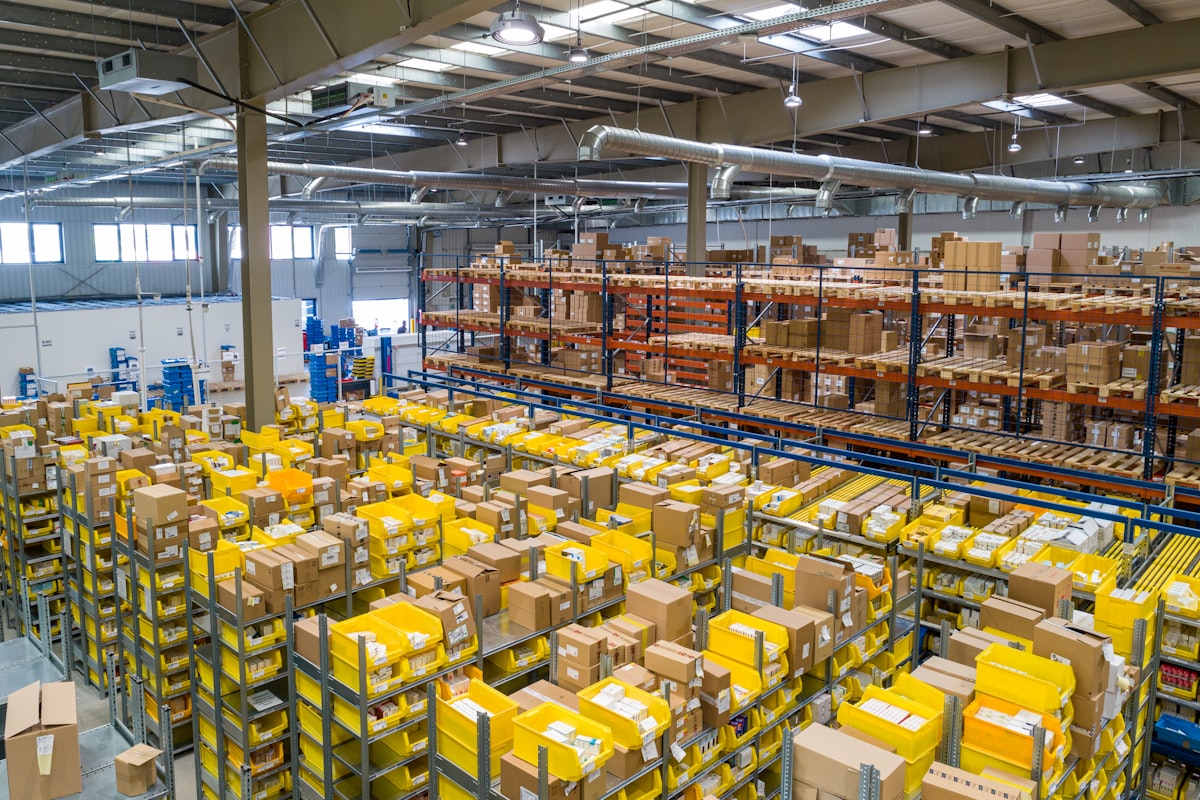
Picture this: It's Tuesday morning at a busy retail store. The manager, Sarah, is juggling a dozen tasks. Customers are asking about products that show "In Stock" online but aren't on the floor. A key seasonal item that was supposed to be restocked yesterday still hasn't arrived. And the regional director is asking why last week's bestseller is now sitting in the stockroom, unsold and taking up space.
This is the daily reality for retail store managers across the world. They're expected to have perfect inventory visibility, anticipate customer demand, and make split-second reordering decisions—all while managing staff, handling customer issues, and maintaining store presentation. It's an impossible task without the right tools.
But what if Sarah had a digital assistant that knew exactly what was in stock, what was selling, and what needed to be reordered? What if, instead of guessing, she had AI-powered predictions that were right 95% of the time? This isn't science fiction. It's happening right now in retail stores that have implemented modern, AI-driven inventory management systems.
1. The Business Challenge: Why Traditional Inventory Management Fails
1.1 The Data Lag Problem
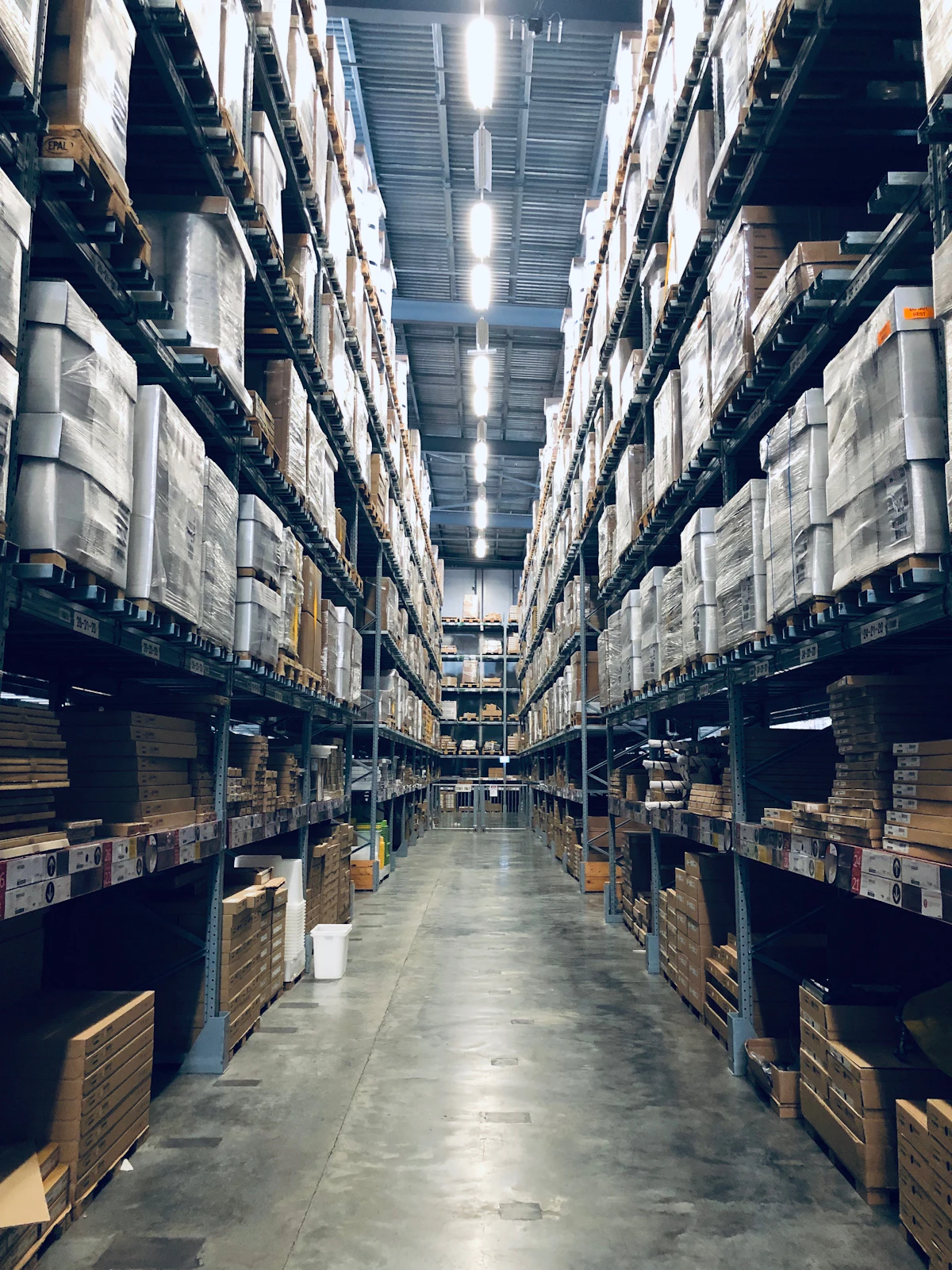
Most retailers still rely on batch processing. Sales data from stores is collected overnight, processed, and reports are available the next morning. But retail moves in real-time. A promotional email sent at 10 AM can sell out a product by 2 PM. By the time the batch report shows the issue, it's too late.
1.2 The Local Context Problem
A store in Miami has different needs than a store in Seattle. One needs sunscreen in January; the other needs rain gear. Traditional inventory systems treat all stores the same, applying blanket rules that ignore local context. This leads to the wrong products in the wrong stores—simultaneously causing stockouts and overstock.
1.3 The Human Bandwidth Problem
Store managers are human. They can't process thousands of SKU-level data points every day. They rely on instinct, which is often wrong. Without machine assistance, optimal inventory management is cognitively impossible.
1.4 The Cost of Getting It Wrong
- Stockouts cost 4% of annual revenue on average, as customers leave empty-handed.
- Overstock ties up 20-30% of working capital in products that sit on shelves.
- Markdowns to clear excess inventory erode 10-15% of gross margin.
A medium-sized retailer with $500M in revenue could be losing $50M+ annually to poor inventory management.
2. The AI Solution: A Technical Blueprint

The Recommended Tech Stack
| Component | Technology | Purpose |
|---|---|---|
| Data Warehouse | BigQuery | Ingests daily sales and inventory data from stores |
| Machine Learning | Vertex AI | Processes historical data to predict demand |
| Visualization | Looker | Generates dashboards with recommended stock levels |
| Delivery | Google Workspace | Pushes recommendations to store associates' devices |
The Data Flow
- Data Ingestion: Daily sales and inventory counts stream into BigQuery from POS systems.
- Feature Engineering: BigQuery transforms raw data into ML features: rolling averages, seasonality, promotional flags.
- Model Training: Vertex AI models train on historical data to predict demand with 85%+ accuracy.
- Prediction Generation: Models generate 7-14 day forecasts at the SKU-store level.
- Dashboard Creation: Looker creates actionable dashboards: "Top 10 items to reorder today."
- Last-Mile Delivery: Recommendations are pushed to store managers via mobile apps or Google Sheets.
3. Implementation Guide: From Data to Decisions

Phase 1: Data Foundation (Weeks 1-4)
Audit data sources, establish automated ETL pipelines with Dataflow, and implement data quality checks to catch errors.
Phase 2: Analytics & ML (Weeks 5-12)
Perform exploratory analysis in BigQuery, develop predictive models starting simple and adding complexity, and backtest for 85%+ accuracy.
Phase 3: Dashboard & Deployment (Weeks 13-16)
Design user-friendly Looker dashboards with store managers, pilot in 5-10 stores, gather feedback, and train teams.
Phase 4: Scale & Optimize (Ongoing)
Roll out to all stores, continuously retrain models, add new data sources (weather, events), and gradually automate low-risk reordering.
4. Real-World Success Stories

Case Study: National Grocery Chain (2,000+ stores)
- 28% reduction in stockouts on top-selling items
- 22% decrease in food waste from better perishable forecasting
- $45M annual savings from reduced overstock and markdowns
- 35% improvement in store manager satisfaction
Case Study: Fast-Fashion Retailer (500 stores, 12 countries)
- 18% improvement in inventory turnover
- 6% same-store sales growth from better availability
- 97% cross-channel inventory accuracy
5. Key Features of Modern AI Inventory Systems

- Store-Level Granularity: Predictions at the individual store level, not just regional
- External Data Integration: Weather, events, economic indicators factor into predictions
- Exception-Based Workflow: Show only the 15 items needing action today
- Confidence Scores: 95% vs 60% confidence helps managers prioritize
- Closed-Loop Feedback: System learns from manager overrides