AI in Automotive:
From Autonomous Vehicles to Smart Factories
The automotive industry is undergoing its most significant transformation since Henry Ford's assembly line. AI is at the center of this revolution—enabling autonomous driving, transforming manufacturing, creating connected vehicle experiences, and reshaping how cars are designed, built, sold, and serviced.

Introduction: The AI-Powered Automotive Revolution
Cars have always represented the cutting edge of technology. From the internal combustion engine to safety systems to infotainment, automotive has been a showcase for innovation. Now, AI is driving the next wave of transformation—one that will fundamentally change what a car is and what it can do.
The scope of automotive AI is remarkable. Self-driving systems process terabytes of sensor data per hour to navigate complex environments. Manufacturing AI ensures every weld, every paint job, every assembly meets exacting standards. Connected vehicle AI creates personalized experiences and enables new business models. Design AI accelerates development from years to months.
This isn't a future vision—it's happening now. Every major automaker and hundreds of startups are racing to deploy AI across the automotive value chain. The leaders will define transportation for the next century. The laggards may not survive.
1. Autonomous Driving: AI Behind the Wheel

1.1 The Perception Challenge
Autonomous vehicles must understand their environment with superhuman accuracy. This requires fusing data from multiple sensors—cameras for visual recognition, lidar for precise 3D mapping, radar for velocity detection, and ultrasonics for close-range awareness.
AI processes this sensor data to identify and classify objects: other vehicles, pedestrians, cyclists, traffic signs, lane markings, obstacles. Deep learning models trained on millions of miles of driving data recognize objects in all conditions—rain, snow, night, glare. The perception system must work perfectly, every time, because lives depend on it.
1.2 Prediction and Planning
Understanding the current environment isn't enough—autonomous vehicles must predict what happens next. Will that pedestrian step into the road? Is that car going to change lanes? AI models predict the likely behavior of all actors in the scene, enabling the vehicle to plan safe maneuvers.
Path planning algorithms find optimal routes that are safe, comfortable, and efficient. They must handle edge cases—construction zones, emergency vehicles, unusual situations—that don't appear in training data. The planning system makes life-or-death decisions multiple times per second.
1.3 Current State and Future
As of 2025, Level 2+ systems (hands-off highway driving) are widely available. Level 3 (eyes-off in specific conditions) is deployed in select markets. Level 4 (fully autonomous in defined areas) operates in robotaxi services in several cities.
The path to widespread Level 4/5 autonomy requires continued AI advancement in edge case handling, cost reduction in sensor suites, and regulatory frameworks for deployment.
2. Advanced Driver Assistance Systems (ADAS)
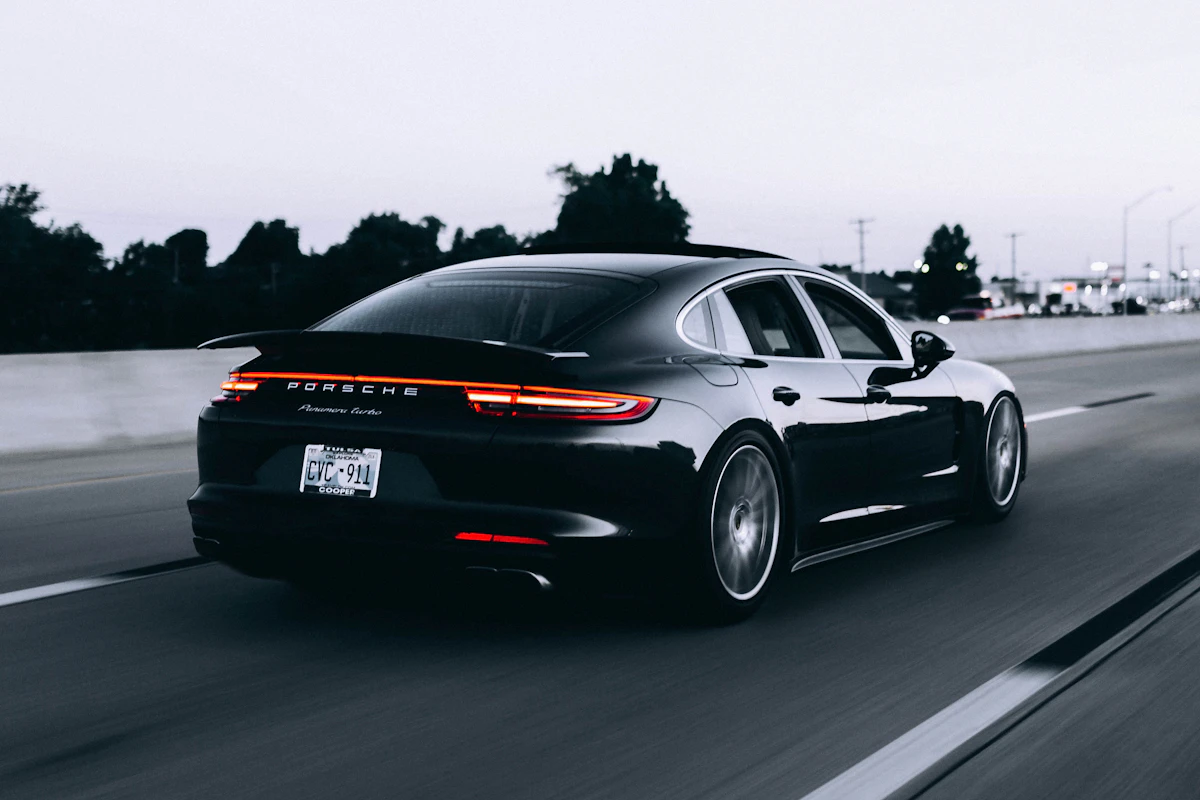
Before full autonomy, AI enables increasingly capable driver assistance. These systems are deployed today, saving lives and improving the driving experience:
2.1 Active Safety
- Automatic Emergency Braking: AI detects imminent collisions and applies brakes if the driver doesn't respond
- Lane Keeping Assist: AI monitors lane position and provides steering corrections
- Blind Spot Detection: AI tracks vehicles in blind spots and warns drivers
- Cross-Traffic Alert: AI detects approaching vehicles when reversing
2.2 Convenience Features
- Adaptive Cruise Control: AI maintains speed and following distance automatically
- Traffic Jam Assist: AI handles stop-and-go traffic on highways
- Parking Assistance: AI executes parking maneuvers with driver supervision
- Highway Pilot: AI handles highway driving with driver monitoring
3. AI in Automotive Manufacturing
3.1 Quality Control
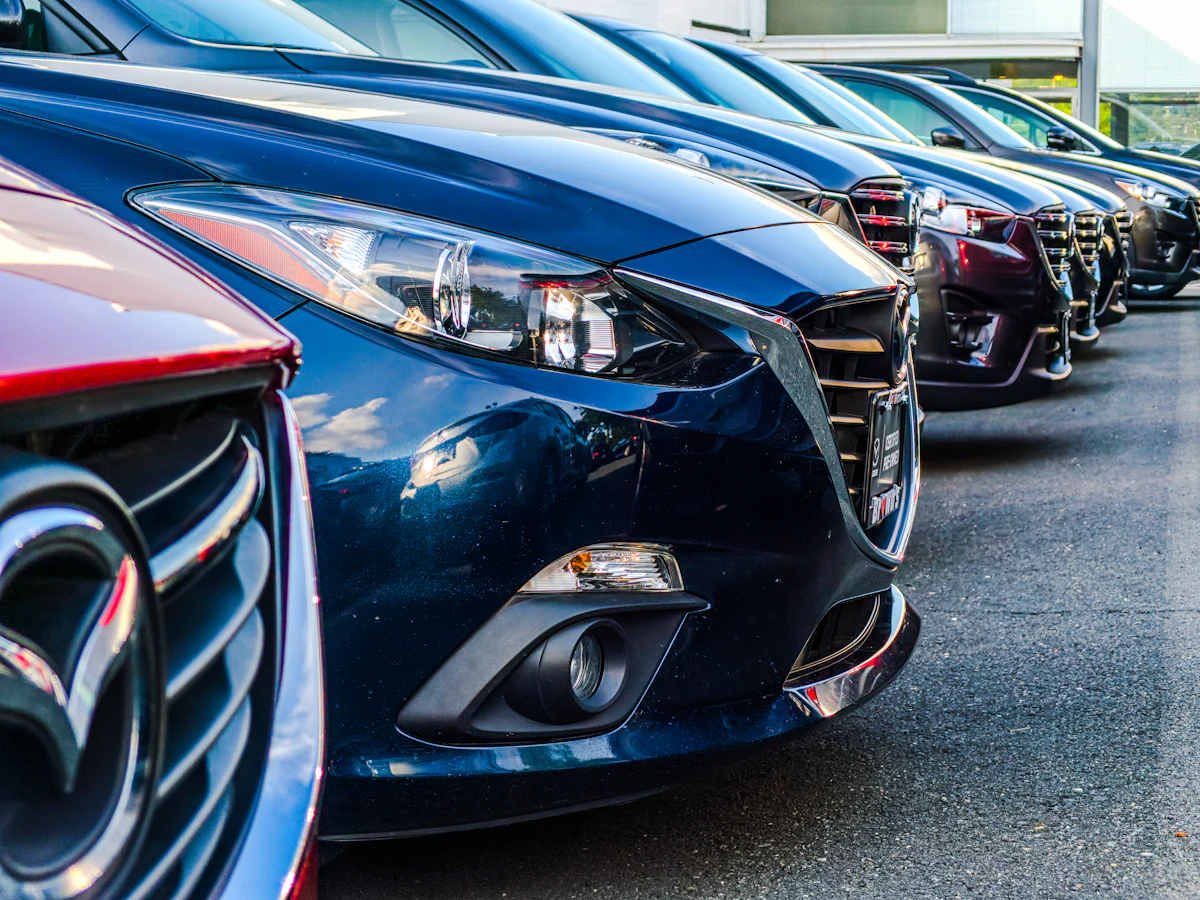
Computer vision AI inspects every vehicle for defects that human eyes might miss. Cameras capture high-resolution images of paint, body panels, welds, and assemblies. AI models trained on thousands of defect examples identify issues in real-time, preventing defective vehicles from progressing down the line.
The impact is significant: 20-30% reduction in escaped defects, lower warranty costs, and improved customer satisfaction. AI inspection is faster and more consistent than manual inspection, enabling 100% coverage rather than sampling.
3.2 Predictive Maintenance
Unplanned downtime in automotive plants costs thousands of dollars per minute. AI analyzes sensor data from robots, presses, and other equipment to predict failures before they occur. Maintenance becomes scheduled rather than emergency—reducing downtime 25-40% while extending equipment life.
3.3 Production Optimization
AI optimizes production scheduling, balancing customer orders, inventory constraints, and manufacturing capacity. Machine learning models predict demand, enabling just-in-time production that minimizes inventory while preventing stockouts. The result is more efficient operations and faster customer delivery.
3.4 Supply Chain Intelligence
Automotive supply chains are among the world's most complex, with thousands of suppliers across multiple tiers. AI provides visibility and prediction across this network—anticipating disruptions, optimizing logistics, and enabling rapid response to changes.
4. Connected Vehicle Services
4.1 In-Vehicle AI
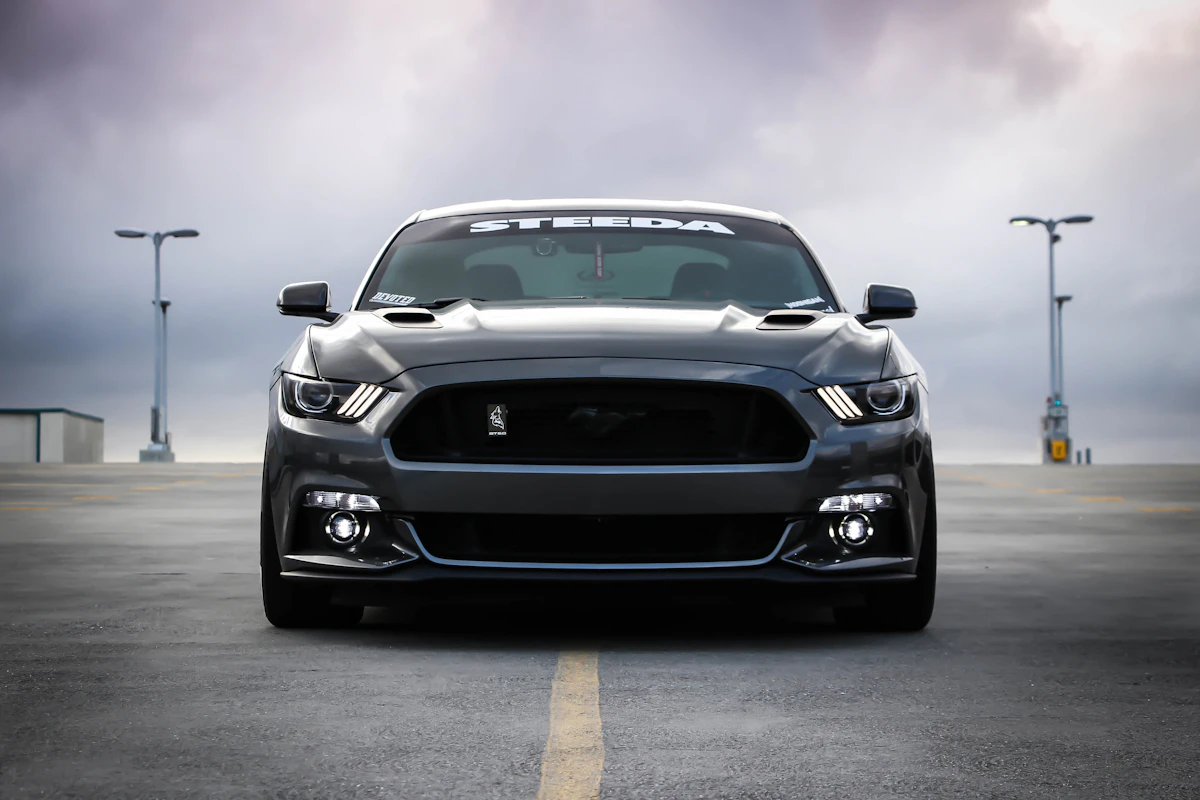
Modern vehicles are rolling computers, and AI enhances every aspect of the in-vehicle experience:
- Voice Assistants: Natural language interfaces for navigation, climate, entertainment, and vehicle functions
- Personalization: AI learns driver preferences for seat position, climate, music, and routes
- Predictive Navigation: AI anticipates destinations and suggests optimal routes based on traffic prediction
- Driver Monitoring: AI detects drowsiness or distraction and provides alerts
4.2 Fleet and Service AI
Connected vehicles stream data that enables new services and business models:
- Predictive Maintenance: AI predicts vehicle maintenance needs, scheduling service before problems occur
- Usage-Based Insurance: AI analyzes driving behavior for personalized insurance pricing
- Fleet Optimization: AI optimizes routing, maintenance, and utilization for commercial fleets
- Over-the-Air Updates: AI enables continuous improvement of vehicle software and features
5. Technical Architecture
| Domain | Technology | Purpose |
|---|---|---|
| Autonomous Driving | Custom AI accelerators + Vertex AI | Real-time perception and planning |
| Manufacturing Vision | Vertex AI Vision | Quality inspection and defect detection |
| Vehicle Data Platform | BigQuery + Dataflow | Connected vehicle analytics |
| Voice AI | Dialogflow + Speech APIs | In-vehicle voice assistant |
| Simulation | Vertex AI + GKE | Autonomous vehicle training |
6. Results and Case Studies
Case Study: Global Automaker Manufacturing
- Defect escape rate reduced 35% with AI quality inspection
- Unplanned downtime reduced 45% with predictive maintenance
- Production throughput improved 15% with AI optimization
- $200M+ annual savings across manufacturing operations
Case Study: Connected Vehicle Platform
- Customer satisfaction improved 25% with predictive service
- New recurring revenue stream from connected services
- Vehicle data monetization opportunities identified
- OTA update capability reducing recall costs