AI in Agriculture:
Precision Farming & Crop Intelligence for 2025
Feeding 8 billion people with shrinking farmland and unpredictable climate demands a new approach. AI-powered precision agriculture optimizes every decision—what to plant, where, when, and how much to water, fertilize, and protect. The result: higher yields, lower costs, and sustainable farming at scale.

Introduction: The Agricultural Intelligence Revolution
Agriculture has always been about reading nature—understanding soil, weather, and crops. Farmers have passed down this knowledge for generations, developing intuition refined over decades of experience. But the scale and complexity of modern agriculture, combined with climate variability, makes this intuition insufficient.
AI brings a new kind of intelligence to farming. Satellite imagery reveals crop health across thousands of acres in minutes. Soil sensors track moisture and nutrients in real-time. Weather models predict conditions weeks ahead. Machine learning integrates all this data into actionable recommendations: exactly how much water each field zone needs, precisely where pests are emerging, which areas need more nitrogen.
This isn't farming by intuition—it's farming by intelligence. And the results speak for themselves: 20-30% yield improvements, 15-25% reduction in input costs, and farming practices that sustain the land for future generations.
1. The Case for Agricultural AI

1.1 The Challenges
Modern agriculture faces unprecedented challenges. Climate change brings unpredictable weather patterns—droughts where there was rain, frost where there was warmth. Growing global population demands more food from less land. Input costs rise continuously. Labor shortages force automation.
Meanwhile, environmental pressures require sustainable practices. Overuse of water depletes aquifers. Excessive fertilizer pollutes waterways. Indiscriminate pesticide use harms ecosystems. The industry must produce more while using less and doing better.
1.2 Why AI Is the Answer
AI excels at exactly what agriculture needs: integrating diverse data sources, finding patterns invisible to human observation, and making precise recommendations at scale. A farmer can't analyze satellite images of 10,000 acres daily. AI can. A human can't correlate soil moisture, weather forecasts, and crop growth stage to calculate optimal irrigation. AI can.
The technology is finally mature enough for agricultural reality—working in remote locations, integrating with existing equipment, providing actionable insights that farmers can act on. This isn't futuristic speculation; it's happening on farms worldwide right now.
2. Key AI Use Cases in Agriculture
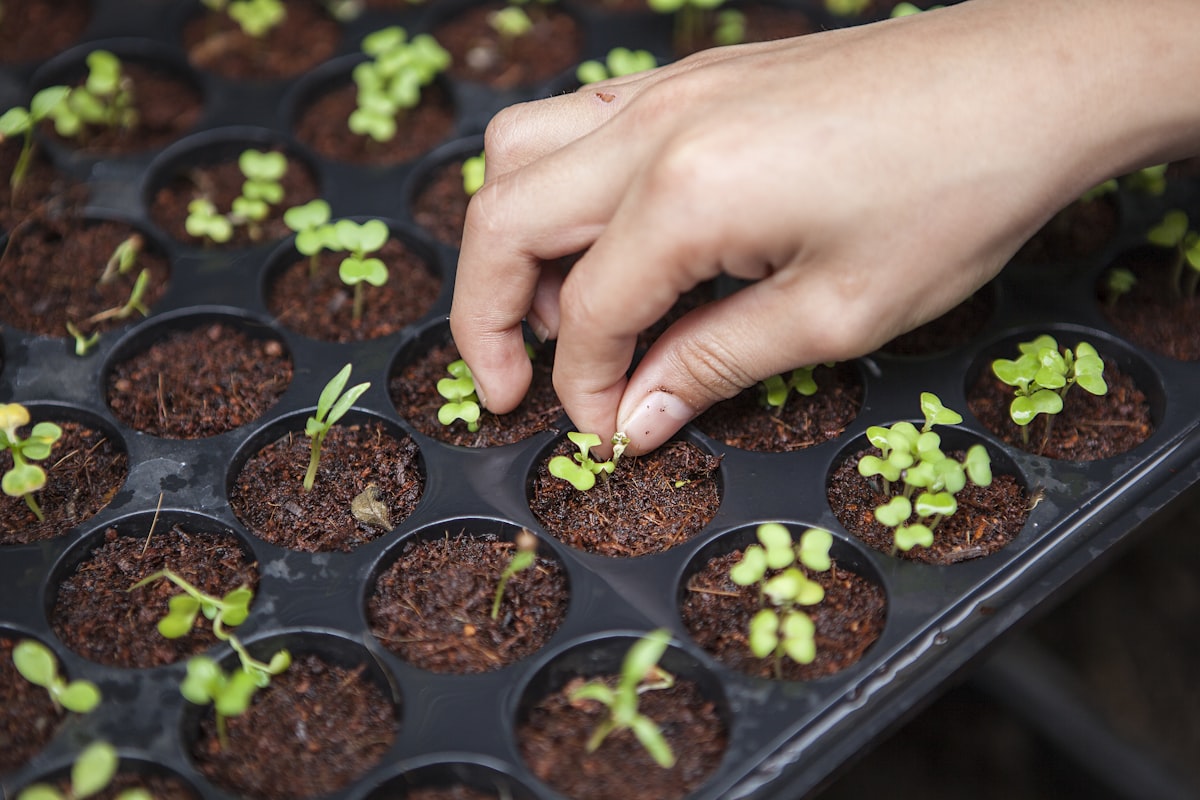
2.1 Crop Health Monitoring
Satellites and drones capture multispectral imagery that reveals crop health invisible to the naked eye. AI analyzes these images to identify stress—whether from water deficiency, nutrient shortage, disease, or pests—before it becomes visible. Early detection enables early intervention, preventing yield loss.
Computer vision models can identify specific diseases and pest species from images, recommending targeted treatments rather than broad applications. This precision reduces chemical use while improving effectiveness.
2.2 Precision Irrigation
Water is agriculture's most precious input. AI optimizes irrigation by integrating soil moisture sensors, weather forecasts, crop water requirements, and growth stage. Variable-rate irrigation systems then apply exactly the right amount of water to each zone—no more, no less.
The result: water savings of 20-40% while maintaining or improving yields. In water-stressed regions, this isn't just cost savings—it's the difference between farming and not farming.
2.3 Nutrient Management
Like water, fertilizer applied precisely where needed reduces costs and environmental impact. AI creates variable-rate application maps based on soil tests, yield history, and crop requirements. Each zone gets exactly what it needs.
Machine learning models predict nutrient uptake based on growth stage and weather, adjusting recommendations in real-time. The days of blanket application are ending.
2.4 Yield Prediction
Accurate yield forecasts enable better marketing, logistics, and financial planning. AI models predict yields weeks or months before harvest based on crop development, weather patterns, and historical data. As the season progresses, predictions become more accurate.
These forecasts help farmers decide optimal harvest timing, plan labor and equipment, and negotiate forward contracts with confidence.
2.5 Autonomous Equipment
AI enables autonomous tractors, harvesters, and sprayers that operate with minimal human oversight. This addresses labor shortages while enabling 24/7 operations during critical windows. Autonomous equipment follows precise paths, reducing overlap and waste.
3. Technical Architecture for Agricultural AI

The Tech Stack
| Component | Technology | Purpose |
|---|---|---|
| Satellite Imagery | Earth Engine + Vertex AI | Process satellite data for crop analytics |
| Computer Vision | Vertex AI Vision | Disease/pest identification from images |
| IoT Platform | Cloud IoT Core | Sensor data from fields and equipment |
| Weather Integration | Weather APIs + BigQuery | Forecast integration and analysis |
| ML Models | Vertex AI | Yield prediction, recommendation engines |
| Edge Processing | Edge TPU | On-field processing for low latency |
Data Flow Architecture
- Collect: Satellite imagery, drone captures, sensor readings, weather data, equipment telemetry
- Process: Image analysis, sensor fusion, feature extraction
- Analyze: ML models generate insights and predictions
- Prescribe: Variable-rate application maps, irrigation schedules, alerts
- Execute: Instructions to equipment, farmer notifications
- Learn: Actual outcomes feedback into model improvement
4. Implementation Roadmap
Phase 1: Foundation (Season 1)
- Deploy soil moisture sensors in representative fields
- Integrate satellite imagery monitoring
- Establish data collection and storage infrastructure
- Baseline current yields and input usage
Phase 2: Initial AI Applications (Season 2)
- Deploy crop health monitoring with alerts
- Pilot variable-rate irrigation in equipped fields
- Begin yield prediction modeling
- Measure results against baselines
Phase 3: Full Precision Agriculture (Season 3+)
- Expand to all fields and crops
- Variable-rate fertilizer and pesticide application
- Autonomous equipment integration
- Continuous model improvement loop
5. Real-World Results
Case Study: Large-Scale Row Crop Operation
- Corn yields increased 22% with precision irrigation and nutrient management
- Water usage reduced 30% through AI-optimized scheduling
- Fertilizer costs reduced 25% with variable-rate application
- ROI achieved in first full season
Case Study: Specialty Crop Grower
- Disease detection 2 weeks earlier than traditional scouting
- Pesticide usage reduced 40% with targeted application
- Premium pricing maintained through quality improvement
- Labor productivity improved 35% with AI-guided operations